


Looksmaxxing and Hardmaxxing: What Teen Guys Should Know
Oct 30, 2026News
Looksmaxxing and Hardmaxxing: What Teen Guys Should Know
- Oct 30, 2026
- 0 Comments
13
Want to Look and Feel Your Best? Start With What’s Safe
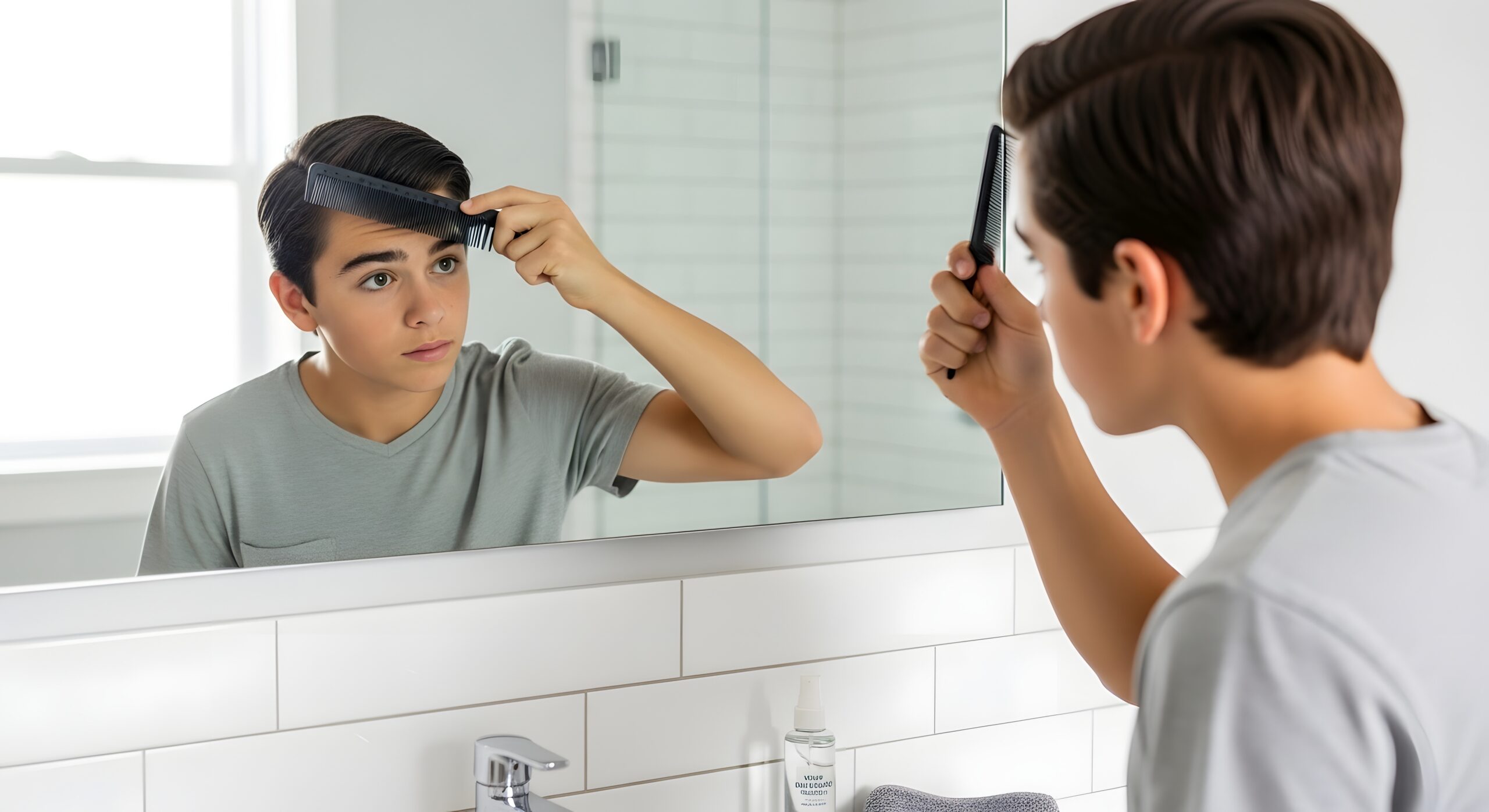
If you spend time online, you have probably heard the term looksmaxxing. It usually means trying to improve your appearance through things like skincare, exercise, grooming, clothing, or posture.
It’s normal to care about how you look. Many teen guys and young men have questions about acne, muscles, hair, body shape, jawlines, and confidence. The problem is that social media can make normal differences seem like problems that need to be fixed—and not all of the advice online is safe or based on science.
The best approach is to build healthy habits that support your body instead of trying to completely change it.
What Is Looksmaxxing?
Looksmaxxing is a term for trying to “maximize” your appearance. Some of the things people call looksmaxxing are simply healthy habits, such as:
- Getting enough sleep
- Being physically active
- Taking care of your skin
- Brushing and flossing
- Getting regular haircuts
- Wearing clean clothes that fit well
- Taking care of your personal hygiene
These habits can support your health while also helping you feel more confident.
What Is Hardmaxxing?
Hardmaxxing usually means taking more extreme steps to change your appearance. Examples you may see online include:
- Extreme diets, including restricting calories and variety of food
- Exercising excessively
- Using steroids or unregulated supplements (that are labeled for non-human use or for research purposes only)
- Taking prescription medications that were not prescribed to you by a healthcare professional
- Trying “jaw trainers” or other devices
- Trying to change the shape of your face or bones at home
- Considering cosmetic procedures because of something you saw online
Some people now refer to these more extreme approaches as harmmaxing as they can have serious and harmful consequences. Risks of harmmaxxing can include broken bones, stalled growth, dangerously low blood sugar levels, and even death.
What Actually Helps?
If you want to take better care of yourself, focus on habits that have been shown to support your health.
Get Enough Sleep
Sleep helps with:
- Energy
- Sports performance
- Muscle recovery
- Skin health
- Mood
- Concentration
Here are some tips to improve your sleep:
- Create a bedtime routine
- Make sure your room is quiet, dark, and cool
- Avoid electronics for 1 hour before bed
- Try to go to bed and wake up around the same time every day
For more information on sleep check out our health guide: Sleep | Young Men’s Health
Stay Active
Regular physical activity can help with:
- Strength and fitness
- Heart health
- Bone health
- Posture
- Stress
Here are some tips to help you stay active:
- Start small. If you’re not very active right now, try going for a 10-minute walk three times a week. As you get used to it, slowly increase how much you move.
- Move every day. Aim for at least one hour of moderate to vigorous physical activity every day.
- Mix it up. Include both cardio and strength training.
For more information check out our health guides:
Fitness: All Guides | Young Men’s Health
Eat Enough and Eat a Variety of Foods
Your body is still growing and developing during the teen and young adult years. Eating regular, balanced meals gives your body the energy and nutrients it needs for:
- Growth
- Building muscle and bone
- Hormone production (including having normal testosterone levels)
- Skin and hair health
- Sports and physical activity
Here are some tips to help you eat well and give your body the energy and nutrients it needs:
- Eat regularly. Aim for 3 meals a day, along with snacks when you’re hungry.
- Combine protein and carbs. Try to have protein with carbohydrates at each meal/snack. This helps fuel your body for longer.
- Choose lean proteins like chicken, turkey, fish, beans, or tofu.
- Eat a variety of foods, including whole grains, fruits, and vegetables.
If you want more specific tips, ask your healthcare provider for a referral to a dietitian. They can help you adjust your eating to meet your goals.
For more information about nutrition check out our health guides:
Healthy Eating | Young Men’s Health
Protein | Young Men’s Health
Dietary Supplements | Young Men’s Health
Fad Diets vs. Healthy Behaviors | Young Men’s Health
Keep Skin Care Simple
You don’t need expensive products. A basic routine can include:
- A gentle cleanser
- Moisturizer
- Sunscreen
Acne is extremely common during the teen years. If it is bothering you or isn’t getting better, a healthcare provider can help.
For more information check out our health guide:
Acne | Young Men’s Health
Watch Out for Looksmaxxing Red Flags
Pay attention if trying to improve your appearance starts taking over your life. Some warning signs include:
- Thinking about your appearance for most of the day
- Constantly comparing yourself with influencers or other guys
- Checking your appearance over and over
- Avoiding friends, school, sports, or photos because of how you look
- Feeling like you are never good enough, no matter what you change
- Spending a lot of money on products
- Using steroids, testosterone, or supplements without talking with a healthcare provider
A looksmaxxing post on social media can be convincing even when it leaves out important context. Ask who made it, where the information came from, whether the creator benefits from clicks or purchases, and what risks they might leave out. Consider how lighting, editing, or a single person’s experience might shape what you see. If a post raises questions about your health, bring them to a healthcare provider.
When Should You Talk to a Doctor?
Consider talking with a healthcare provider if you have questions or concerns about:
- Acne or other skin problems
- Hair loss
- Changes in your weight or body
- Exercise or nutrition
- Supplements
- Steroids or testosterone
- Body image
- Anxiety or low mood related to your appearance
You don’t need to wait until something is a serious problem to ask questions. That’s part of what healthcare providers are there for.
The Bottom Line
Don’t risk your health for a trend. Looksmaxxing is safest when it means taking care of yourself—not trying to completely change yourself.
Disclaimer: This story is auto-aggregated by a computer program and has not been created or edited by menshealthfits.
Publisher: Source link
Publisher: Source link