








The Best Hair Transplant Doctors in New York: A Patient-First Guide
Nov 16, 2026The Best Hair Transplant Doctors in New York: A Patient-First Guide
New York has some of the world’s most highly credentialed hair transplant surgeons. The hard part is telling who has the surgical judgment to match a good Fifth Avenue address.
No city sells confidence like New York. That can make a receding hairline a particular vulnerability. Hair loss often catches you unprepared. A glance in the mirror, an unflattering photo or an innocent comment brings it into focus. The physical change is only part of the story. It can change how you carry yourself, too. I’ve explored this further on Ape to Gentleman.
New York has produced pioneers of the FUE technique and facial plastic surgeons who have spent entire careers refining hairline design. Some clinics have waiting lists built on decades of word of mouth. Others know how much authority a Madison Avenue address, a slick consultation suite and a six-figure marketing budget can buy. This guide is about knowing what to look for when you walk through the door.
Take It From Someone Who’s Had 13 Of These
I’ve lived with hair loss for 25 years and had 13 hair transplants. Several were repairs to correct surgery I shouldn’t have agreed to in the first place. I’ve sat in consultation rooms feeling desperate and know how easy it is to mistake a well-rehearsed sales pitch for sound medical advice. You can read the full story, and how it shaped my work, in my profile on Ape to Gentleman.
That’s why I built Spex Hair, an independent resource that gives patients verified information on surgeons and clinics. It’s also why I launched The Hair Loss Lab, where I have long-form, evidence-based conversations with internationally recognised surgeons, researchers and patients. A 30-second reel can only tell you so much. I’ve applied the same standard to this guide.
I support surgery when it’s appropriate and properly planned. I also know what it feels like when a clinic sees a frightened man as a booking.
Why New York Needs A Patient-First Guide To Hair Transplant Surgery
New York is arguably the world’s most competitive hair restoration market and one of its most discreet. Like London and Istanbul, both covered in Ape to Gentleman’s Global Edition, it attracts wealthy patients, executives and public figures for whom privacy matters as much as results.
That mix of money, discretion and demand has produced some world-class clinics. It also helps explain why a Park Avenue address carries so much weight.
A prestigious address tells you the clinic can afford the rent. You still need to know who will hold the punch or blade, how they’ll manage your donor area and whether the surgeon you meet will perform the operation. A robot-assisted system can be useful in skilled hands. The operator’s judgement still matters.
Look beyond the polished website and the hints about celebrity patients. Before-and-after photographs can be useful, but you still need to ask who assessed the patient, who designed the hairline, who performed each stage and how they planned to manage the donor area a decade later.
Full Disclosure. Some clinics featured in this guide have paid associations with SpexHair. I receive no commissions for referrals or procedures. No surgeon can pay for inclusion, ranking or endorsement, and a paid association is neither required nor a guarantee of inclusion.
My selection draws on more than 20 years of assessing surgical results, reputation, ethics, donor management and patient care. The doctors appear without ranking. Treat the guide as an independent, transparent starting point for your research. Individual results vary.
The Most Important Consultation May Be The One That Ends With ‘Not Yet’
One of the clearest signs of a good hair restoration doctor, in New York or anywhere else, is a willingness to say no. You might be too young, your hair loss may still be progressing, or your donor area may be unable to support the density you have in mind. Your expectations may need resetting. Surgery may be the wrong first step. Sometimes the answer is simply ‘not yet’.
That’s hard to hear in a city that prizes speed and certainty. A good consultation gives you advice you can use even if you leave without booking surgery.
For many men, the first step is getting a proper diagnosis. Hair loss has several causes and can progress in different ways, as I explain in Ape to Gentleman’s guide to the top causes of hair loss in men. Androgenetic alopecia is progressive. A transplant redistributes existing hair while the underlying hair loss can continue.
A credible plan accounts for future loss and considers non-surgical options, including those covered in this guide to the best hair loss products and these tips for tackling a receding hairline.
Treat surgery as a last resort. Give yourself time to decide what will serve you best long term.
Hair Transplantation Is A Lifetime Planning Exercise
Everyone starts by asking how many grafts they need. Ask what the result is likely to look like in 10, 20 or 30 years.
Every patient has a finite supply of donor hair. Once follicles are harvested, they don’t grow back in the donor area. A surgeon has to decide how much to use now and how much to preserve for hair loss they can’t fully predict.
Hairline design carries the same weight. A low, densely packed hairline can look spectacular on a clinic’s Instagram grid. I’ve written before about what makes a hairline look natural. A more conservative design that suits your age and keeps future options open is more likely to look right 20 years on, long after the ‘wow’ of a before-and-after post has worn off.
The best work is often the kind you’d never clock as surgery.
The Social-Media Problem
Hair loss content is visual, emotional and endlessly searchable, which makes it a gift to any algorithm. Add a dramatic transformation and a sense of urgency, and a man who’s only just noticed his hairline receding can find himself booking a consultation before he’s done his research.
Watch for countdown discounts, guaranteed graft counts and remote ‘diagnoses’ based on a few photos. Pay attention if your first substantive discussion is with a patient coordinator and you have little access to the surgeon who would operate on you.
In a market like New York, it’s easy to read a high price as a sign of quality. Look for an accurate diagnosis, direct involvement from the surgeon, thoughtful planning, ethical advice and dependable aftercare. Those are the standards I set out to make easier to assess through Spex Hair and The Hair Loss Lab.
What A Proper Hair Transplant Consultation Should Explore
A serious consultation is a medical assessment. You should leave with a clear idea of the likely cause and pattern of your hair loss, how far it could progress and whether to try non-surgical treatment first. Ask about the quality, density and limits of your donor area, including how many grafts are realistically available now and over your lifetime.
Ask why the proposed hairline suits your age, face and likely pattern of future loss. Find out who will perform each key stage of the procedure and how involved the surgeon will be. Discuss the limitations, risks and possible complications, along with the clinic’s plans for aftercare, follow-up and unexpected outcomes. Ask how the plan would change if you lost significantly more of your existing hair.
You should be able to leave without booking anything. Pressure is information in itself. Pay attention if a clinic tries to rush a decision you’ll be living with for years.
FUE, FUT And The Danger Of Choosing A Technique Before A Doctor
Most people begin by searching for a technique. FUE, FUT, robotic, DHI. The terminology tends to follow whatever clinics are advertising that year. Start by finding a surgeon who can explain which approach suits you and why.
Results depend on the surgeon’s judgement in patient selection, donor management, hairline design, extraction strategy, graft handling and long-term planning. Even when a robot assists with the procedure, the surgeon designs the hairline.
FUE and FUT both have a place in modern hair restoration, and New York has specialists in each. Both can leave scars, and suitability depends on the patient. I’ve explored those differences in depth on The Hair Loss Lab with surgeons who practise both techniques.
So, What Makes A New York Hair Transplant Doctor Worth Consulting?
Even an excellent surgeon can be the wrong fit for a particular patient. A guide like this can narrow the field to doctors whose work, experience and professional standing make them worth consulting.
I assessed the New York doctors against the same criteria I used for the London guide and the international edition of this guide for Ape to Gentleman. I looked for a consistent record of results, ethical practice and evidence that they put patients first.
These are practitioners I’d sit down with for an honest appraisal of hair loss and the surgical options. Use the list to start those conversations. Take time to decide whether surgery and the surgeon are right for you.
How To Use The New York List
If you can, consult more than one doctor. Compare the reasoning behind their recommendations as well as the graft counts and prices. Where opinions differ, you’ll often find the questions you still need answered.
Track your hair loss over time with photographs, and review your family history. Explore non-surgical options with an appropriately qualified clinician. Ask to see results from patients with hair like yours, alongside the clinic’s strongest case studies.
A surgeon can advise you, and a guide or patient advocate can help you ask better questions. The decision is yours.
The question to ask. ‘Who can help me decide whether I should have a hair transplant?’
Read this guide before you go into a consultation and revisit it when comparing your options. Space is limited, and this list reflects my own experience and research. Plenty of skilled, ethical surgeons elsewhere in New York may also be worth consulting.
The Best Hair Transplant Doctors In New York
Use these profiles as starting points for your own research, independent medical advice and consultations.
Dr Blake Bloxham
Long Island, New York

Dr Blake Bloxham founded Bloxham Medical and has more than a decade of surgical experience. He specialises in FUT, FUE, high-density transplants and corrective surgery. He takes a hands-on role throughout the procedure, with an emphasis on natural results and donor preservation. His research interests include emerging treatments and follicular regeneration.
I interviewed him in New York City for The Hair Loss Lab podcast about his surgical philosophy, evolving techniques and the future of hair restoration. Watch our interview here.
Dr Robert J. Dorin
Garden City, New York
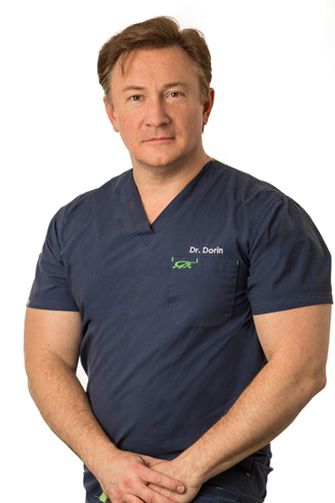
Dr Robert J. Dorin has worked in surgical hair restoration for more than 20 years. An ABHRS Diplomate and ISHRS Fellow, he leads The Hair Loss Doctors, which has locations in Garden City and Manhattan. He specialises in FUE and FUT and has undergone hair restoration himself. In his physician-led practice, he focuses on natural hairline design, careful donor management and long-term results.
I interviewed Dr Dorin in New York City for The Hair Loss Lab podcast about his experience with hair restoration, his surgical philosophy and how he puts patients first. Watch our interview here.
Dr Carlos K. Wesley
Manhattan, New York
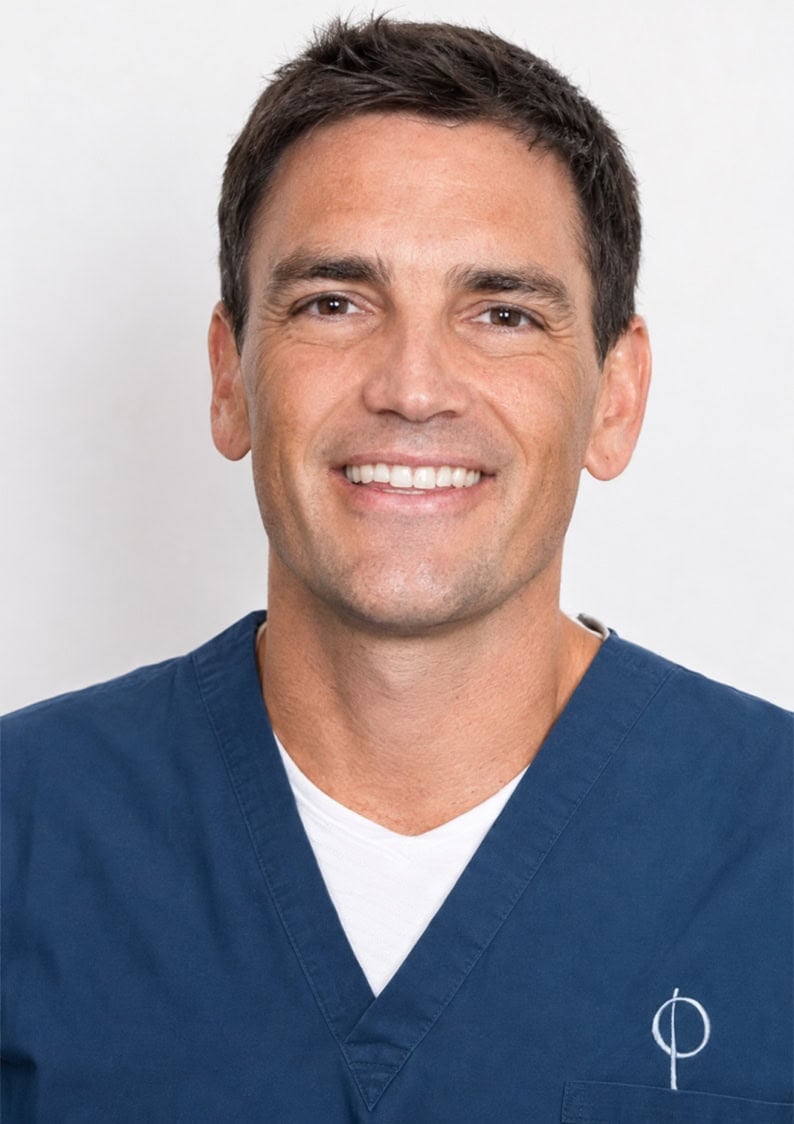
Based on Manhattan’s Upper East Side, Dr Carlos K. Wesley specialises in hair restoration for men and women. A Princeton and Yale graduate, he is known for his meticulous surgical approach, natural hairline design and careful donor management. He also developed Pilofocus, a hair transplant technology.
I interviewed Dr Wesley in New York City for The Hair Loss Lab podcast about his surgical philosophy, innovations in the field and his approach to patient education and individual care.
Dr Gary Linkov
Manhattan, New York
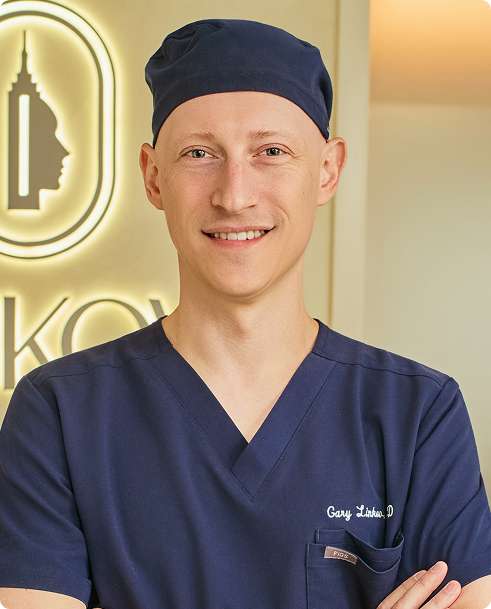
Dr Gary Linkov is a double board-certified facial plastic surgeon and hair transplant specialist based in Midtown Manhattan. At Linkov Hair Surgery, he specialises in FUE and FUT, with an emphasis on designing a natural hairline that suits the face and managing the donor area over the long term. His own experience of hair loss informs his approach to patient education and treatment planning.
I interviewed him in New York City for The Hair Loss Lab about his surgical philosophy, his experience of hair loss and his approach to modern hair restoration. Watch our interview here.
Dr Anton Georgiev
Long Island, New York
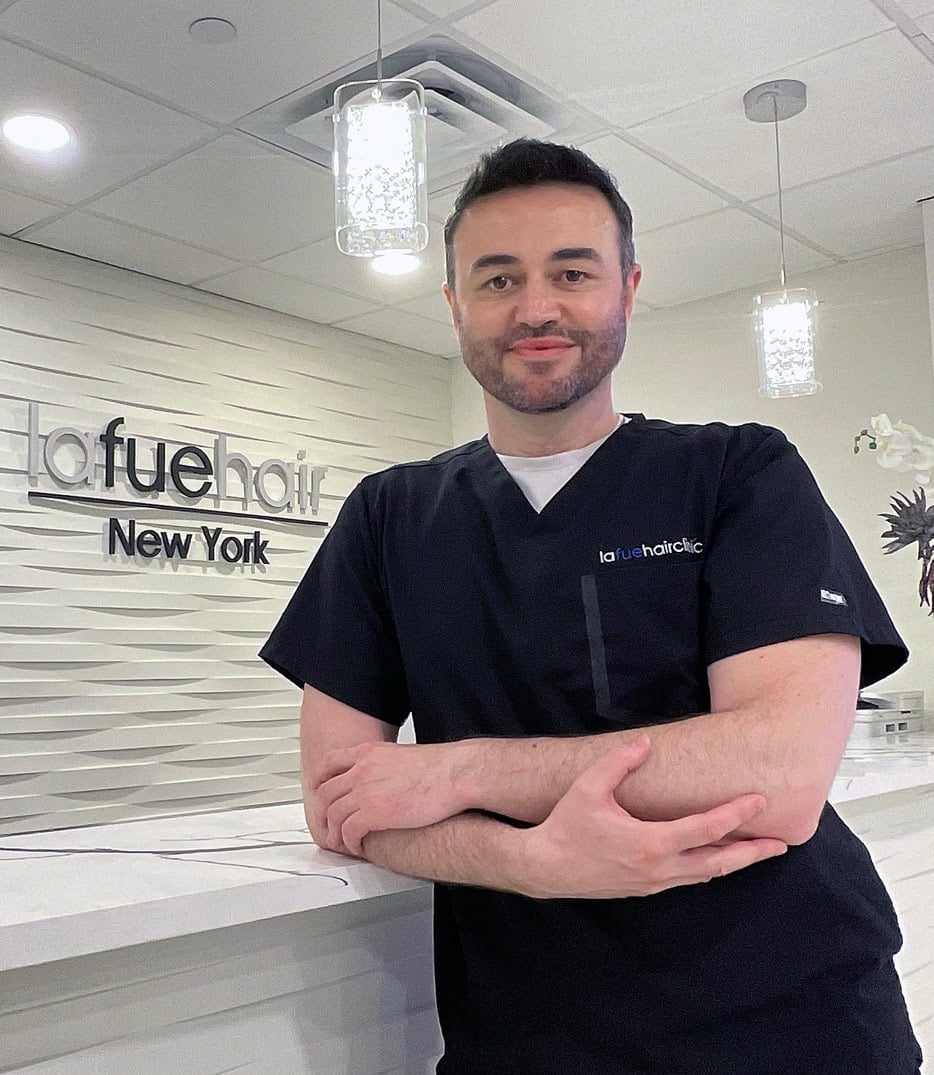
Dr Anton Georgiev leads L.A. FUE Hair New York in Garden City, Long Island. A Fellow of the American College of Surgeons (FACS), he focuses on follicular unit extraction (FUE) for men and women, emphasising natural-looking hairlines and each patient’s needs.
The clinic also offers non-surgical options, including platelet-rich plasma (PRP) therapy and Combined Regenerative Therapy (CRT).
Dr Robin Unger
Manhattan, New York
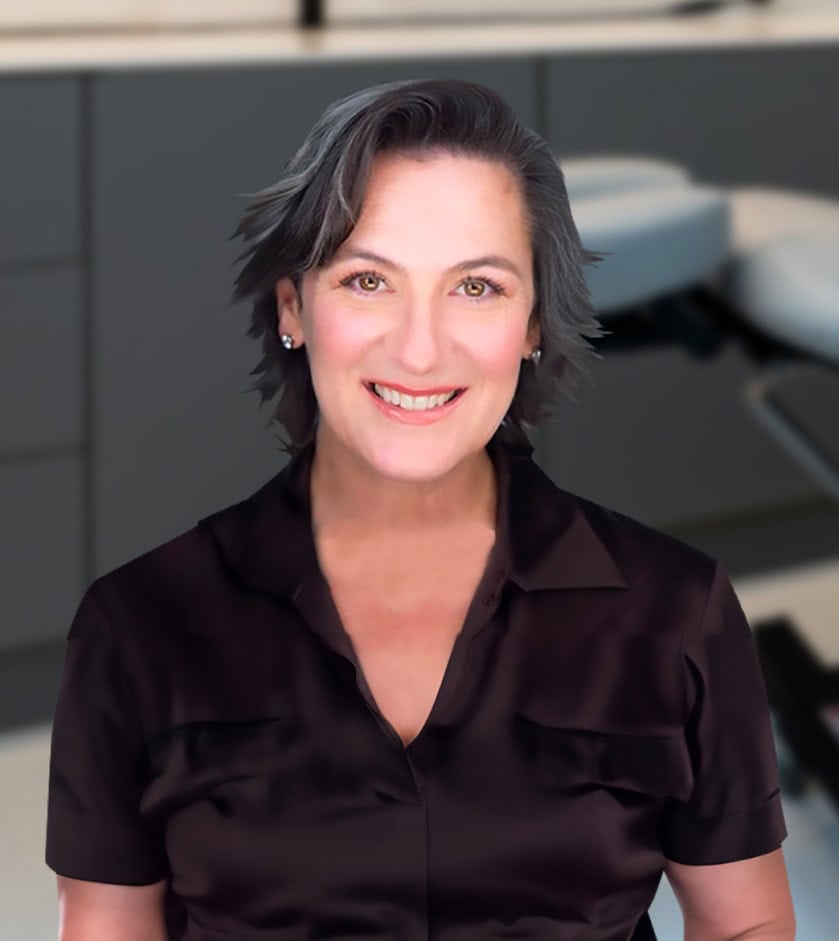
Dr Robin Unger has more than 25 years of experience treating male and female hair loss, including complex repair and scarring cases. She performs one procedure a day at her Manhattan practice, allowing her to stay closely involved throughout.
An ABHRS-certified surgeon, she is an Assistant Clinical Professor of Dermatology at Mount Sinai and co-author of the textbook Hair Transplantation. She is particularly known for her work in female hair restoration.
Dr Unger is president of the International Society of Hair Restoration Surgery (ISHRS) for 2026–27. I interviewed her physician assistant, Margaret Zakhary, in New York for The Hair Loss Lab podcast about female hair loss and the importance of patient education. You can watch our conversation here.
Dr Ross Kopelman
New York City, New York

Dr Ross Kopelman is a hair restoration surgeon and medical director of Kopelman Hair Restoration, a physician-led practice with locations in New York, New Jersey and Florida. He works alongside his father, Dr Joel Kopelman, and specialises in FUT, FUE, hairline restoration, corrective surgery and facial hair transplants.
His approach emphasises natural-looking results, careful donor management and long-term planning tailored to each patient.
He also uses his Hair Doctors Podcast to help patients understand their options and make informed decisions.
Verified Resources For Further Research
Equally polished websites can hide real differences in the standard of care. Compare what clinics tell you with information from independent sources, including patient education platforms and professional organisations.
My Own Patient-Protection Platforms
Spex Hair is my independent platform for verified information on hair loss and transplant surgery. It includes a surgeon directory, patient resources and first-hand reporting drawn from 25 years as a patient and 13 hair transplants. It’s also where I do the vetting that informs guides like this one.
The Hair Loss Lab brings together leading hair transplant surgeons, medical experts, researchers and patients for in-depth podcast interviews. We cover proven hair loss treatments, regenerative medicine and advances in transplant surgery, looking at what the evidence supports and what patients can realistically expect.
Independent Professional Organisations Worth Knowing
These organisations give practitioners ways to share research, learn from each other and improve standards of care. Several also publish material for patients.
The International Society of Hair Restoration Surgery (ISHRS) is an international medical association that promotes evidence-based treatment and ethical practice through conferences, clinical research, physician education and patient safety initiatives. It also publishes patient resources, including a guide to the types of hair loss.
FUE Europe brings together surgeons, researchers and industry specialists to advance FUE and modern hair transplant techniques. Its educational conferences give practitioners a place to share techniques and research aimed at improving patient care and surgical outcomes.
FUE Asia focuses on education, innovation and professional collaboration in the Asia-Pacific region. Its scientific meetings and surgical education programmes support advances in FUE, responsible practice and better outcomes for patients.
The International Alliance of Hair Restoration Surgeons (IAHRS) has a selective membership of experienced surgeons. Its directory is a starting point for researching practitioners.
The American Hair Loss Association (AHLA) raises awareness and educates patients about the medical and psychological effects of hair loss.
Education, Ethics And Patient Protection
Professional credentials, memberships and conference participation are part of the picture. Check the surgeon’s experience, the results they can show you, how clearly they explain their plan and how much of the procedure they’ll perform themselves. Individual outcomes vary.
The Bottom Line
New York gives you access to some of the world’s finest hair transplant surgeons. Take your time choosing one. Understand your diagnosis, explore medical treatment, check credentials and seek independent opinions.
Establish who performs each stage of the operation and scrutinise the results you’re shown. A reputable surgeon should welcome questions, explain what you can realistically expect and be prepared to advise against surgery.
A hair transplant is permanent. Pattern hair loss can continue, and donor hair is finite. How your hair looks at 12 months matters. So does how the decisions you make today will serve you in 10, 20 or 30 years. You may find an exceptional surgeon and decide to go ahead. You may decide to wait or forgo surgery altogether.
Patient Checklist Before Choosing A Hair Transplant Surgeon
Before committing to surgery, work through these questions.
- Diagnosis. Do I understand what’s causing my hair loss and how it might progress?
- Medical treatment. Have I explored appropriate non-surgical treatments that could help stabilise my hair loss?
- Surgeon credentials. Have I independently verified my surgeon’s qualifications, experience and track record?
- Surgical responsibility. Do I know who will perform each critical stage of my procedure?
- Donor management. Has my donor supply been properly assessed, and has the surgeon explained how they’ll preserve it over the long term?
- Realistic expectations. Have I seen genuine results from comparable patients and discussed the limitations?
- Independent opinions. Have I consulted at least three qualified surgeons before deciding?
- Risks and aftercare. Do I understand the possible complications, recovery and long-term follow-up arrangements?
- Full costs. Do I know what I’ll pay and what future procedures could cost if I need them?
- Confidence in the decision. Can I make this decision without pressure, urgency or unrealistic promises?
If you’re unsure about any of the answers, give yourself more time before committing. A responsible surgeon will respect your questions and give you room to decide.