



ED Pills and Nitrates: Why the Combination Is Dangerous
Oct 22, 2026Fashion & Style
Chinos vs Khakis: Why Even Fashion Brands Get This Wrong (And Why It Mostly Doesn’t Matter)
- Jan 28, 2026
- 0 Comments
419
We independently evaluate all recommended products and services. Any products or services put forward appear in no particular order. if you click on links we provide, we may receive compensation.
You’re standing in front of two pairs of pants that look nearly identical. One is labeled “chinos,” the other “khakis.” You pick them up, feel the fabric—they’re basically the same weight. You check the fit—both have a similar cut. The price tags are within $10 of each other. So what’s the actual difference?
Here’s the uncomfortable truth: even major fashion brands can’t agree on what makes chinos “chinos” and khakis “khakis.” J.Crew calls everything chinos regardless of fabric weight. Gap sells slim-fit “khakis” with hidden seams that traditional definitions would classify as chinos. And don’t even get started on the “khaki chino” label you’ll find everywhere from Uniqlo to high-street retailers.
But before you throw your hands up and grab whichever pair is on sale, there are some genuine distinctions worth understanding—not because you need to become a trouser pedant, but because knowing what to actually look for on the rack will help you build a more versatile wardrobe. By the end of this article, you’ll understand why this confusion exists, what the traditional differences actually are, and most importantly, what matters when you’re shopping in the real world.
So, What’s The Quick Verdict: What Are Chinos vs Khakis?
If you’re in a rush, here is the baseline. Chinos are the polished, lightweight “all-rounders” designed for the office. Khakis are the heavy, rugged “workhorses” built for the weekend.
Key Differences at a Glance
| Characteristic | Chinos | Khakis |
|---|---|---|
| Lightweight cotton twill, tighter weave, smooth finish with subtle sheen | Heavier cotton twill, more rugged texture, substantial feel | |
| Slim-to-straight cut, tapered leg, modern proportions (not skinny) | Straight to wide-leg, relaxed fit, 90s-influenced silhouette trending | |
| Hidden seams, concealed pockets, flat front, refined details | Visible topstitching, pronounced pockets, often pleated (though flat-front available) | |
| Business casual to smart casual | Casual, weekend wear | |
| Full spectrum: navy, charcoal, olive, burgundy, grey, black, plus khaki color | Earth tones: tan, brown, beige, olive, British khaki, stone | |
| Office, dinner dates, cocktail bars, smart casual events | Weekend errands, outdoor activities, casual Fridays, travel | |
| Chelsea boots, loafers, minimal sneakers, monk straps | Work boots, chukkas, canvas sneakers, New Balance 990s |
What are Chinos?
Chinos trace their origins to the Spanish-American War in the late 1800s, when American military uniforms were manufactured from a lightweight cotton twill fabric sourced from China—hence “chino” cloth. These trousers were designed as a practical alternative to heavy wool uniforms in warm climates, and soldiers returning from service brought the style into civilian life, where it was embraced by university students and eventually became a menswear staple.
In traditional menswear terminology, chinos are defined by their lightweight cotton twill construction with a distinctive diagonal weave pattern. Classic chino characteristics include a flat front, slim or tapered fit, and hidden seams and pockets that create a cleaner, more refined appearance. The fabric typically has a smooth finish with a slight lustrous quality—not shiny exactly, but with a subtle sheen that catches light differently than rougher cotton.
Chino Must-Have Colors
| Color | Why You Need It |
|---|---|
| Navy | Most versatile color. Works with nearly everything. Dressier than denim but more approachable than dress trousers. Start here. |
| Charcoal | Your second purchase. Slightly dressier than navy, pairs beautifully with earth tones. Essential for business casual. |
| Olive | Military heritage without costume vibes. Pairs naturally with denim jackets and waxed cotton. Real olive, not sage green. |
But here’s where things get interesting: the modern reality of chinos has evolved significantly from this traditional definition. Today’s chinos often incorporate stretch materials like elastane for improved comfort and mobility, performance fabrics with moisture-wicking properties, and even water-resistant treatments. Some manufacturers use heavier fabrics than traditional chinos ever did, while others have gone even lighter with summer-weight versions.
What remains consistent is the design intent: chinos evolved from military khakis specifically as a dressier, more refined alternative. They were meant to bridge the gap between casual and formal, giving men an option that wasn’t quite as rugged as work trousers but didn’t require the formality of dress pants.
What Are Khakis?
This is where things get genuinely confusing, because “khaki” has three different meanings depending on context. The word itself comes from the Persian and Urdu word for “dust” or “earth,” originally describing the tan color British colonial troops used to dye their uniforms for camouflage in India during the mid-19th century.
Here’s the triple-meaning problem that creates endless confusion: khaki can refer to a color (that distinctive dusty tan or beige), a fabric type (heavy cotton twill), or a trouser style (straight-leg, casual pants with visible construction details). When someone says “khakis,” they might mean any or all of these things, which is precisely why the term gets used so inconsistently.
Khaki Must-Have Colors
| Color | Why You Need It |
|---|---|
| British Khaki | Darker, redder-toned khaki. Like Earl Grey tea with milk. More interesting than standard tan. Pairs with burgundy, olive, navy. |
| Stone | Lighter than khaki, closer to putty. Summer essential—reflects heat, looks sharp with white and navy. Mediterranean vibes. |
| Duck Canvas Brown | Deepest option, approaching tobacco brown with grey undertones. Autumn transition color. Works with rust and burgundy knits. |
When referring to khakis as a style of trouser—the most common usage—we’re typically talking about pants with several classic characteristics. They’re made from heavier cotton fabric than chinos, giving them a more rugged texture and substantial feel. The fit tends to be straight-legged or slightly loose rather than tapered, creating a more relaxed silhouette.
Unlike the refined construction of chinos, khakis typically feature visible topstitching, pronounced pocket details, and were traditionally cut with pleats at the waist, though flat-front versions have become common.
The color aspect adds another layer: traditional khakis come in earth tones like tan, brown, beige, and olive—basically the color palette of dirt, sand, and vegetation that made sense for military purposes. This is why you’ll sometimes see “khaki chinos” on labels—technically, this could mean chino-style pants in a khaki color, which is perfectly valid but adds to the terminology confusion.

Chinos vs Khakis: What Fashion Theory Says
If we set aside retail chaos for a moment and look at what traditional menswear wisdom says, there are clear theoretical distinctions between chinos and khakis across several dimensions.
Starting with fabric and construction, chinos use a lighter twill weave with a tighter construction, resulting in a fabric that drapes more elegantly and has a smoother surface—sometimes with a matte finish, sometimes with a subtle sheen. Khakis employ heavier cotton with a more substantial, rugged texture that can handle rougher treatment and outdoor activities.
The fit and silhouette tell different stories as well. Chinos embrace modern, tailored proportions with a slim cut through the thigh and a taper from knee to ankle, creating a contemporary aesthetic that works with sleeker footwear. Khakis maintain a straighter, more traditional cut with a relaxed fit that prioritizes comfort and ease of movement over fashion-forward proportions.
Modern Fit Guide
| Style | Current Fit Philosophy | What to Avoid |
|---|---|---|
| Slim-to-straight, NOT skinny. Straight-leg with mid-rise looks contemporary and mature. Think proportions that work with loafers and minimal sneakers. |
Aggressive ankle-choking taper from 2010s era. Skinny chinos now read as dated. Pointed Chelsea boot fits are over. | |
| Wide-leg is ON-TREND. Fuller cut with heavy cuff + New Balance 990s or Nike Dunks is high-fashion right now. Influenced by 90s skate culture and Korean street style. |
Don’t let them pool around ankles (sloppy). Get the break right—slight crumple on shoe, not excessive fabric bunching. |
Construction details separate them further. Chinos feature concealed seams that create smooth lines, minimal pocket visibility with pockets often set into the side seams rather than patched on, and almost universally flat fronts. Khakis showcase their construction with visible topstitching, pronounced pockets that you can clearly see outlined on the front, and while flat-front versions exist, pleated fronts remain more common with khakis than chinos.
These differences translate into formality levels. Chinos inhabit the business casual to smart casual space, meaning they’re appropriate for offices without suit requirements, dinner dates, and situations where jeans feel too casual but dress trousers are overkill. Khakis live firmly in casual territory—they’re weekend pants, outdoor activity trousers, and alternatives to jeans for environments where denim is acceptable.
Color range provides another distinction, though this one is increasingly blurred. Chinos are available across the full spectrum: navy, burgundy, olive, grey, black, and yes, khaki tan. Modern chino offerings embrace bold colors and seasonal palettes. Khakis stick closer to their earth-tone roots with tan, brown, beige, and olive dominating the color options.
But here’s where theory crashes into messy reality.
Khakis vs Chinos in Real Life: Why Brands Can’t Agree
Walk into any major retailer and you’ll quickly discover that the traditional distinctions outlined above are more like suggestions than rules. The retail labeling of these pants is, to put it bluntly, chaos.
Major brands use these terms based on whatever logic serves their purposes. J.Crew, for instance, calls virtually everything in their casual trouser lineup “chinos” regardless of fabric weight or construction details—their “heavyweight chinos” are thicker than many pants labeled as khakis elsewhere. Gap has sold “lived-in khakis” that feature slim fits with hidden seams, characteristics that traditional definitions would classify as chinos. Banana Republic’s popular Aiden Chino uses a fabric weight and construction that falls somewhere between traditional definitions of both styles.
Part of this is practical: brands need to optimize for search engines and customer understanding. If more people search for “chinos” than “khakis,” some brands will label everything as chinos to capture that traffic. If a retailer’s customer base associates “khakis” with their product line, they’ll stick with that term even as their actual products evolve.
Quick Shopping Checklist
| What to Check | Details to Evaluate |
|---|---|
| Weight/thickness, stretch content (check label), surface texture (smooth = dressy, textured = casual) | |
| Leg opening width, rise height, seam visibility (hidden = dressy, visible = casual) | |
| Hidden vs. visible pockets, flat front vs. pleated, waistband finish (clean = dressy, multiple loops = casual) | |
| Brands use terms inconsistently. Trust what you see and feel over what the tag says. |
But there’s a deeper issue at play: modern fabric technology and manufacturing have blurred the traditional lines. Today’s pants incorporate stretch materials that make even “traditional” khakis more refined than they once were. Performance fabrics with moisture-wicking or water-resistant properties don’t fit neatly into historical categories. When a pant is made from a cotton-elastane-polyester blend with a DWR coating and a tapered fit, is it a chino or a khaki? The answer is that it’s a modern casual trouser that borrows elements from both traditions.
The truth is that most pants you’ll find today occupy a middle ground. Manufacturing efficiency and consumer preferences have pushed brands toward versatile pants that can work in multiple contexts, which means creating products that aren’t as extreme in either direction. The result is a market full of pants that are lighter than old-school khakis but heavier than classic chinos, with fits that are more tailored than traditional khakis but more relaxed than fitted chinos.
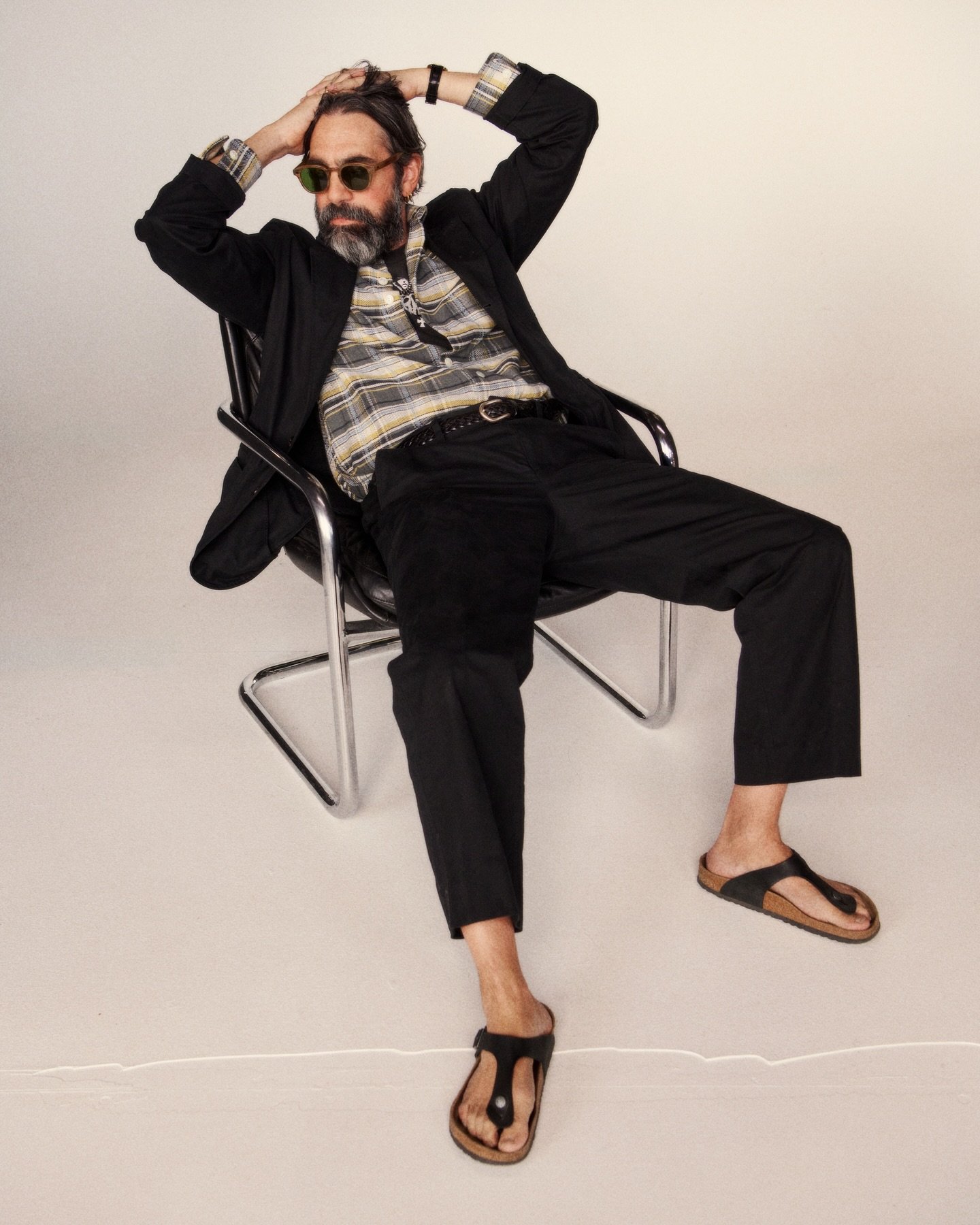
Chino Pants vs Khakis: How to Shop Smart
| Price Tier | Best for Chinos | Best for Khakis |
|---|---|---|
| The Value Kings (Under $100) |
Uniqlo Smart Comfort Pants Clean silhouette, slight stretch, works March-October. Slim fit without going skinny. |
Dickies 874 Original Fit Work Pants Authentically rugged, skate-approved, straight-leg fits current wider silhouette trend. |
| The Mid-Tier Gold Standard ($100-200) |
Bonobos Weekday Warrior Wrinkle-resistant, genuine stretch, multiple fits available. Athletic fit great for larger thighs. |
Carhartt WIP Single Knee Pant Workwear meets fashion. Heavier than chinos, reinforced knees, regular fit perfectly proportioned. |
| The Luxury Investment ($200+) |
Incotex Slacks Venetian tailoring excellence. Superior drape, horn buttons, hand-finished details. Slim-straight fit. |
OrSlow 107 Ivy League Pants Japanese reproduction quality. Selvedge cotton, period-correct construction, fuller vintage cut. |
Given that brand labels won’t reliably tell you what you’re actually buying, you need a different approach. Forget the label for a moment and evaluate the pants themselves based on what you can observe and feel.
1.Start with the fabric’s hand feel—literally, how it feels when you handle it. Pick up the pants and assess the weight and thickness. Heavier fabric will feel more substantial in your hand and will generally be more durable but less dressy. Check the label for stretch content—anything with more than 3% elastane will have significant give, which increases comfort but can make pants less crisp in appearance. Run your hand over the surface texture: smooth, tightly woven fabric will look dressier, while a more textured or visible weave reads as casual.
2. Examine the cut and construction details carefully. Check the leg opening by holding the pants up and looking at how wide the ankle is relative to the knee—a significant taper indicates a more modern, refined style. Assess the rise height, which affects not just comfort but formality—higher rises tend to look more traditional and casual, while mid-rises are more contemporary. Look at whether seams are visible or hidden, particularly at the pockets—visible topstitching and pronounced pocket outlines signal casual construction.
3. The intended formality becomes apparent when you look at specific details. Hidden pockets that sit flush with the front of the pants indicate dressy construction, while pockets with visible outlines or contrasted stitching read as casual. Flat fronts are more versatile and contemporary, while pleats (if present) clearly signal traditional khaki styling. Check the waistband finish—cleaner, simpler waistbands feel dressier than those with multiple belt loops or utility details.
Here’s a practical decision framework: If you need something for business casual environments, look for lighter fabric, flatter construction, and slimmer cuts regardless of what the label says. These characteristics will read as more professional. If you want a casual alternative to jeans for weekends and relaxed settings, prioritize heavier fabrics, visible construction details, and relaxed fits. For everything in between—which is where most modern pants live—look for moderate weight, clean but not invisible construction, and a fit that’s shaped but not skinny.
Brand interpretation varies significantly and it’s worth knowing the landscape. Uniqlo’s “slim fit chinos” run lighter and dressier, making them excellent business casual options at a budget price point. Banana Republic tends toward the middle ground with their Aiden and Fulton lines offering versatile weight and contemporary fits. Bonobos builds their entire lineup around different fits of what they call chinos, though their “weekday warriors” are clearly meant to be dressier while their “summer weight chinos” are more casual. At the premium end, brands like Incotex make what they call chinos that are dressy enough to wear with sport coats, while Todd Snyder’s officer chinos embrace a more rugged aesthetic despite the chino label.
The Best Chinos and Khakis to Buy
Fashion advice without shopping guidance is useless. Here’s where to actually spend your money across three price tiers.
The Value Kings (Under $100)
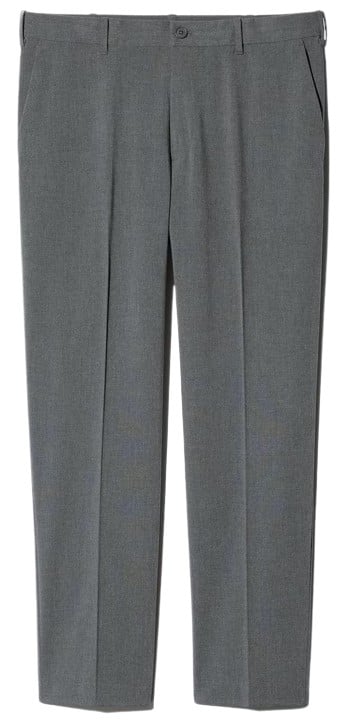
These punch well above their price point with a clean silhouette, slight stretch for comfort, and a fabric weight that works from March through October. The slim fit works for most body types without going skinny-jean territory. Available in navy, grey, olive, and yes, khaki.
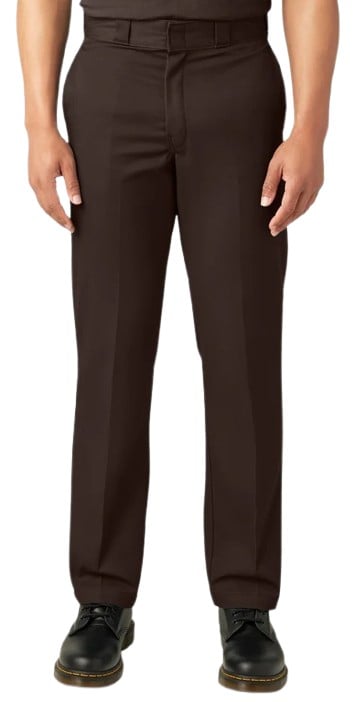
The skate community kept these alive, and now everyone from Tyler, The Creator to high-fashion stylists is throwing them in editorial shoots. They’re authentically rugged, genuinely durable, and the straight-leg fit is perfectly on-trend for 2026’s wider silhouette movement.
The Mid-Tier Gold Standard ($100-200)
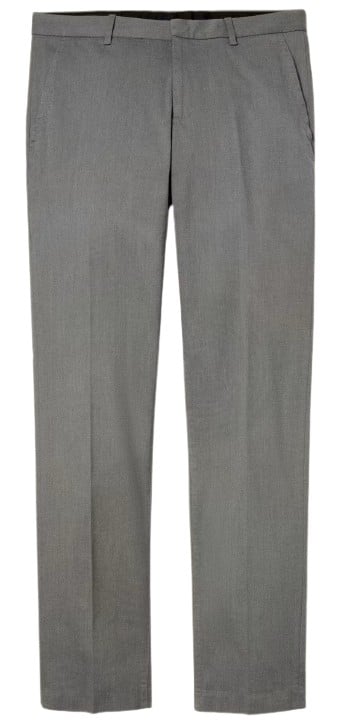
These justify the price jump with wrinkle-resistant fabric, actual stretch that doesn’t bag out, and a range of fits from slim to straight. The fabric weight hits that sweet spot where they look professional but don’t feel stiff. Their athletic fit is particularly good if you have larger thighs.
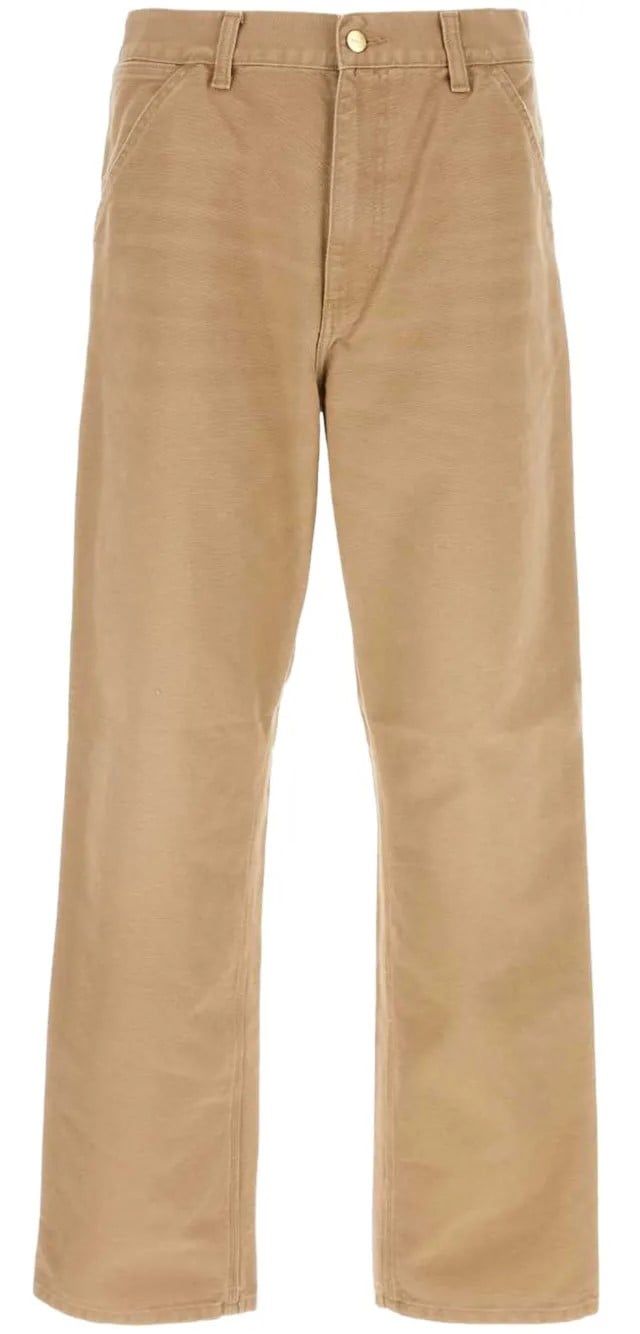
Where workwear meets contemporary fashion. Heavier than typical chinos but more refined than work pants, with reinforced knees that add character rather than looking purely utilitarian. The regular fit is perfectly proportioned for the current moment’s preference for roomier trousers.
The Luxury Investment ($200+)
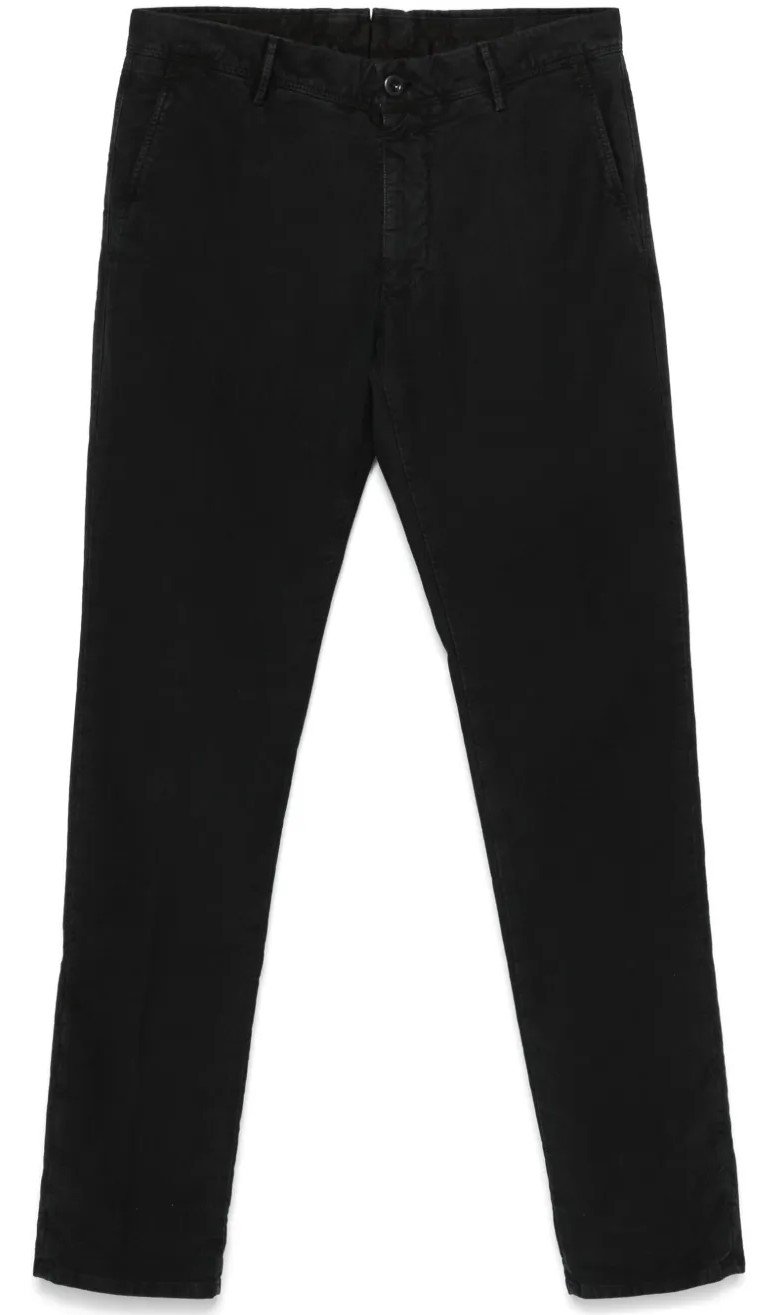
Venetian tailoring houses don’t miss, and Incotex’s chinos are proof. The fabric drape is noticeably superior—these move like they cost what they do. Construction details like genuine horn buttons and hand-finished pocket bags mean they’ll last years, not seasons. Slim-straight fit feels modern without trend-chasing.
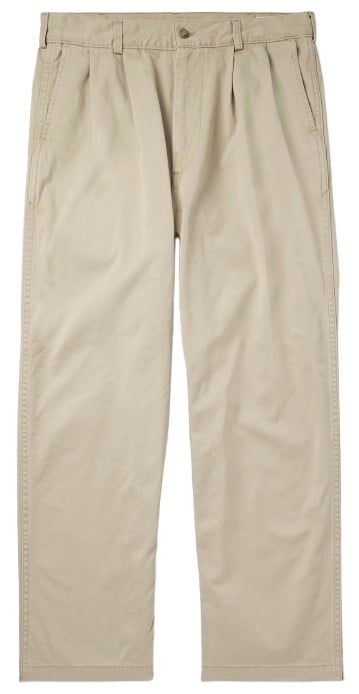
Japanese reproduction brands obsess over vintage details in ways that justify premium pricing. OrSlow’s take on 1960s Ivy League khakis uses selvedge cotton, period-correct construction, and a fuller cut that’s both historically accurate and perfectly suited to wider-leg styling. These are the khakis for people who care about khakis.
What Are Chinos vs Khakis in Your Wardrobe?
Understanding how each style functions in actual outfits is more useful than memorizing definitions. When you’re putting together an outfit, the question isn’t “are these technically chinos or khakis?” but rather “what can I pair with these and where can I wear them?”
Traditional chinos work best in situations that require polish without full formality. Office environments with business casual dress codes are the natural habitat for chinos—pair them with oxford cloth button-downs, knit polos, or casual dress shirts. They’re your go-to for dinner dates at nice restaurants, drinks at cocktail bars, or gallery openings where jeans feel too casual but a full suit would be overdressed. Events that explicitly call for “smart casual” or “business casual” are chino territory. For footwear, chinos pair naturally with Chelsea boots, loafers, clean minimal sneakers, or even monk straps. Layer them with casual blazers, lightweight knits, or unstructured sport coats.
Traditional khakis find their place in more relaxed contexts. Weekend errands, outdoor activities, and travel situations where comfort and durability matter more than refined appearance are where khakis excel. They’re appropriate for casual Fridays at offices where jeans are explicitly allowed, making them a slight step up from denim while maintaining comfort. Think brewery visits, sports bars, backyard barbecues, camping trips, or any scenario where you might worry about your pants getting dirty or damaged. Style them with henleys, flannel shirts, casual button-downs, and t-shirts. For shoes, work boots, chukka boots, canvas sneakers, and boat shoes all make sense with khakis in ways they might not with dressier chinos.
But here’s the reality check: most guys live in the middle ground. Modern “hybrid” pants that blur the chino-khaki distinction work for about 80% of casual scenarios most men encounter. If you’re not in a strict office environment and you’re not doing actual outdoor labor, versatile mid-weight pants with moderate tapering will handle most of your life.
When styling these middle-ground pants, remember that your choice of footwear matters more than the pants themselves for determining formality. The same pair of pants reads completely differently with leather Chelsea boots versus canvas sneakers. Clean, minimal shoes dress things up; chunky, athletic, or work-style shoes dress things down.
Seasonal considerations often matter more than the chino-versus-khaki distinction. In summer, fabric weight and breathability become paramount—you want lighter cotton or cotton-linen blends regardless of what the style is called. Winter calls for heavier fabrics, possibly with a bit of brushed cotton or flannel texture for warmth. Spring and fall are when mid-weight versatile pants really shine.
Common mistakes to avoid: Don’t treat chinos as dress pants—they’re not suit-trouser replacements and trying to wear them in truly formal contexts usually fails. Avoid pairing heavy, rugged khakis with dress shoes like oxfords or derbies—the formality clash is jarring. Most importantly, don’t prioritize “technically correct” labeling over actual fit—a well-fitting pant labeled incorrectly will always look better than a poorly fitting pant with the right name.
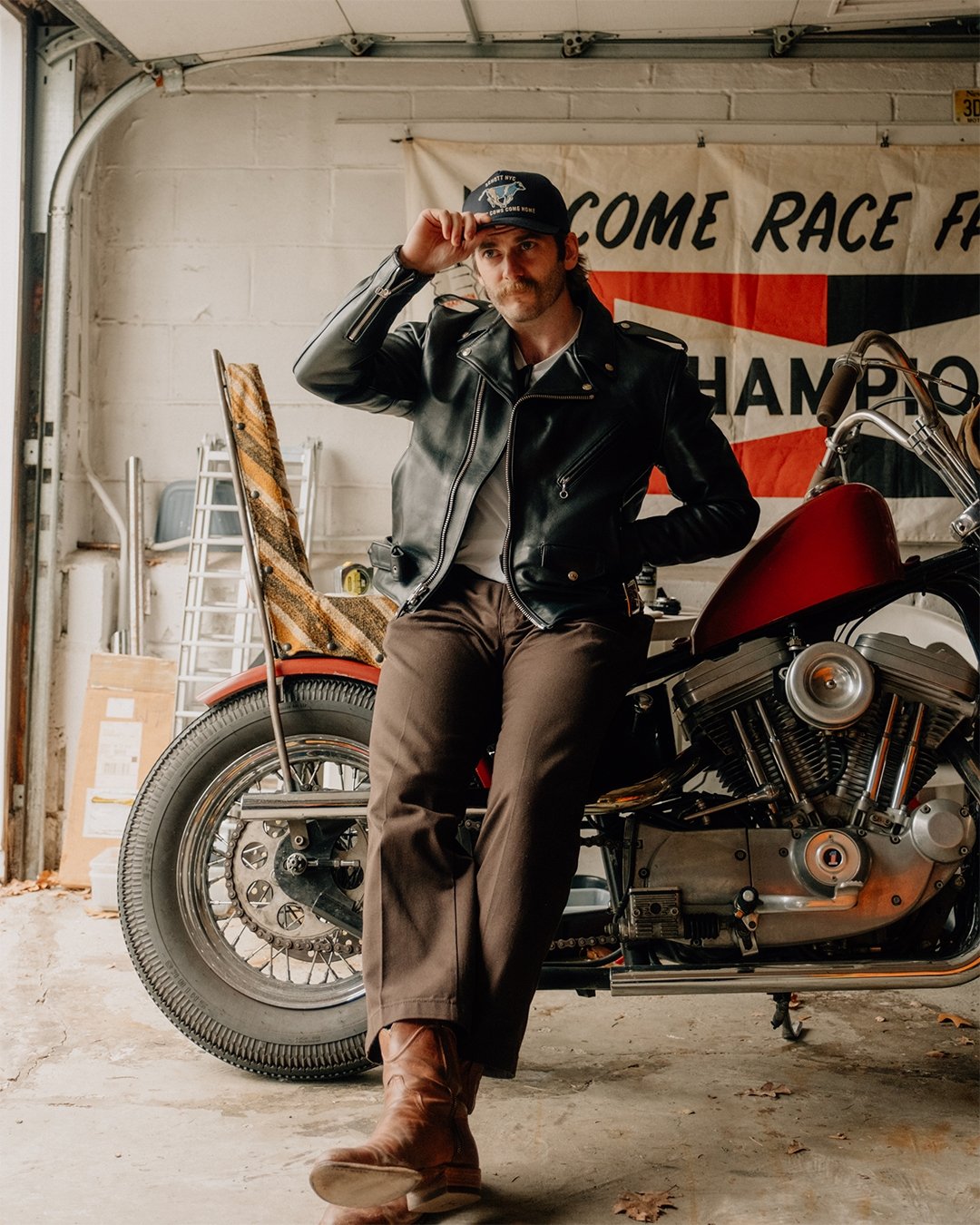
Modern Fit Reality: The Slim-Fit Era Is Over
Here’s something crucial that outdated style guides won’t tell you: the “everything must be slim-fit” rule that dominated the 2010s is dead. The wider silhouette movement—influenced by 90s skate culture, Korean street style, and a general backlash against restrictive clothing—has changed the fit game entirely.
For chinos in 2026: Keep them slim-to-straight, not skinny. A proper straight-leg chino with a mid-rise looks contemporary and mature. Skinny chinos, especially in that aggressive ankle-choking taper that was everywhere five years ago, now read as dated. Think of the silhouette that looks right with loafers and minimalist sneakers, not the fit you’d need for pointed Chelsea boots.
For khakis in 2026: It’s not just acceptable to go wide—it’s actively on-trend. A wide-leg khaki with a heavy cuff paired with New Balance 990s or Nike Dunks is a legitimate high-fashion move right now. This isn’t about looking sloppy; it’s about proportions that balance a fuller leg with intentionally relaxed but clean footwear. The key is getting the break right—you want them to sit on the shoe with a slight crumple, not pool around your ankles.
This is why khakis are having a moment after years of being written off as “dad pants.” The exact characteristics that made them unfashionable in the 2010s—fuller cut, straighter leg, more substantial fabric—are precisely what makes them feel fresh now. Meanwhile, chinos remain versatile by adapting: brands are offering straighter cuts and mid-rises that feel more relaxed without going full 90s.
Beyond Beige: The Color Story
If you only own chinos and khakis in tan and beige, you’re missing the real versatility these pants offer. Here’s your essential color wardrobe:
Chino Must-Haves:
Navy – The most versatile color you can own. Works with nearly everything in your wardrobe from white tees to grey knits to camel overcoats. Dressier than indigo denim but more approachable than dress trousers. Start here if you’re only buying one pair.
Charcoal – Your second purchase. Slightly dressier than navy, works beautifully with earth tones, and gives you outfit options when navy feels too expected. Essential for building business casual outfits that don’t feel corporate.
Olive – The third essential. Brings military heritage without feeling costume-y, pairs naturally with denim jackets and waxed cotton, and gives you an earth-tone option that’s not khaki tan. Real olive, not sage or moss green—you want depth.
Khaki Must-Haves:
British Khaki – This is the darker, redder-toned khaki that most heritage brands use. Think of the color of Earl Grey tea with milk. It’s substantially more interesting than standard tan and pairs better with burgundy, olive, and navy in your tops.
Stone – Lighter than khaki, closer to putty or greige. This is your summer color—it reflects heat, looks sharp with white and navy, and feels more Mediterranean than military. Essential if you live somewhere genuinely warm or travel to beach destinations.
Duck Canvas Brown – The deepest option in the khaki family, almost approaching tobacco brown but with more grey in it. This is your transitional autumn color that works with rust, burgundy, and forest green knits. Underrated and extremely versatile once you own the lighter shades.
What to skip: True beige (reads corporate and dated), bright khaki tan (too costume-y), and any pastel colors like pink or mint (leave these to prep school kids).

Chinos vs Khakis: Final Verdict
| Priority | What Matters Most |
|---|---|
| Always #1. Well-fitting pants labeled “wrong” beat poorly fitting pants labeled “correctly” | |
| Determines comfort and how often you’ll actually wear them | |
| Match to your actual lifestyle, not theoretical style guides | |
| Works with existing wardrobe matters more than whether tan is “khaki” or a chino color |
So after all this analysis, does the distinction between chinos and khakis actually matter? The answer is: sometimes, but less than you might think.
The distinction matters when you’re at the extreme ends of the formality spectrum. If you need pants for a business casual office with exacting standards, you want true chinos—lightweight, refined construction, proper fit. If you’re looking for durable weekend pants for hiking or messy projects, proper khakis with heavier fabric make sense. It also matters when you’re building a wardrobe from scratch and trying to cover your bases strategically—knowing which style to prioritize helps you make smarter first purchases.
The distinction doesn’t matter for most modern social situations, where the range between “too casual” and “too formal” is wide enough that any decent pair of cotton trousers will work. It doesn’t matter when you’re choosing between two well-fitting pairs that meet your actual needs—fit trumps nomenclature every time. And frankly, it doesn’t matter much when brands have already blurred the lines to the point where the labels are unreliable guides anyway.
What should you prioritize instead? Fit is always number one—pants that fit your body properly will look better than perfectly “correct” pants that don’t fit well. Fabric quality and comfort matter more for how often you’ll actually wear the pants than whether they’re technically chinos or khakis. Consider versatility for your actual lifestyle rather than theoretical styling guidelines—if you live in smart casual environments, own more dressy pairs; if your life is genuinely casual, stock up on relaxed options. Finally, focus on color selection that works with your existing wardrobe rather than getting hung up on whether tan is “khaki” or just a chino color.
The smartest move? Own both ends of the spectrum plus versatile options in between. Invest in one truly dressy pair of slim chinos in navy or charcoal for when you need to look polished. Keep one pair of genuine relaxed khakis in tan or olive for weekends when comfort matters most. Then build out the middle with three or four versatile pairs in practical colors that handle most of what your life actually throws at them.
The chino-versus-khaki debate is interesting from a fashion history perspective, and understanding the distinctions helps you shop more effectively. But in your actual day-to-day wardrobe decisions, focus on fit, fabric, and versatility over terminology. The best pair of pants is the one that fits your body, suits your lifestyle, and makes you feel confident—regardless of what the label calls them.

The editorial team at FashionBeans is your trusted partner in redefining modern men’s style. Established in 2007, FashionBeans has evolved into a leading authority in men’s fashion, with millions of readers seeking practical advice, expert insights, and real-world inspiration for curating their wardrobe and lifestyle.
Our editorial team combines over 50 years of collective experience in fashion journalism, styling, and retail. Each editor brings specialized expertise—from luxury fashion and sustainable style to the latest grooming technology and fragrance science. With backgrounds ranging from GQ and Esquire to personal styling for celebrities, our team ensures every recommendation comes from a place of deep industry knowledge.
Disclaimer: This story is auto-aggregated by a computer program and has not been created or edited by menshealthfits.
Publisher: Source link
Publisher: Source link