



ED Pills and Nitrates: Why the Combination Is Dangerous
Oct 22, 2026Fashion & Style
Your Comparison Chart for Levi’s Most Popular Fits
- Dec 17, 2025
- 0 Comments
2556
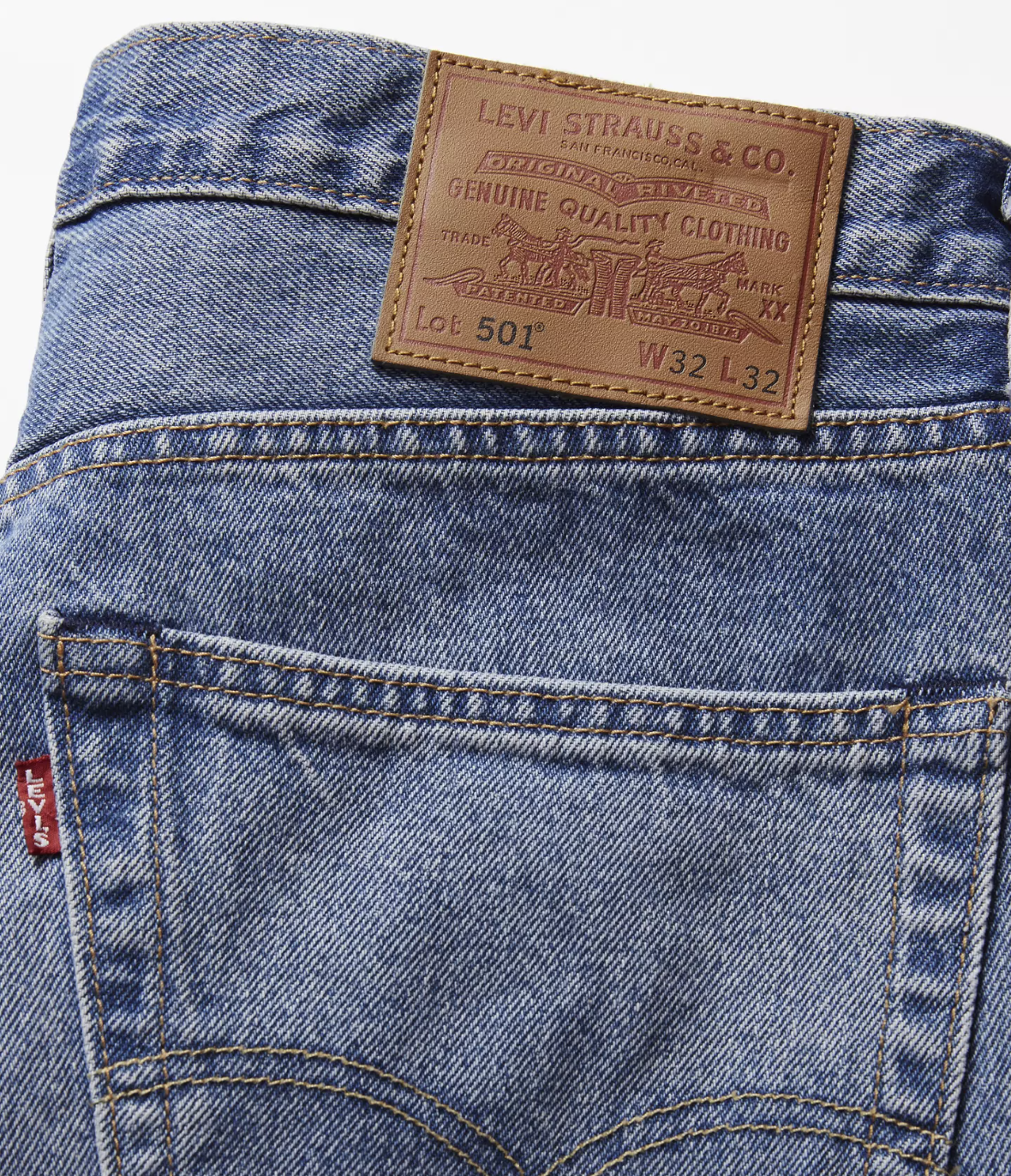
This guide brings Levi’s core men’s fits into one place so you can see how the patterns relate to each other. Instead of decoding product-page wording or relying on guesswork, you get a clear view of how each model is drafted through the rise, seat, thigh, knee, and leg opening. These measurements dictate comfort and proportion long before wash or styling comes into play.
Because Levi’s cuts are produced across multiple fabrics and stretch levels, no two pairs measure identically. Rather than listing one-off factory numbers, this chart maps the standard Levi’s block for each fit. That means the underlying shape—where it sits on the waist, how much room exists through the top block, and how the leg narrows or stays straight—remains consistent even when fabric weight or fiber composition changes.
The goal is to give you a structural understanding of how 501, 502, 505, 511, 512, 513, and 514 differ so you can choose a model that matches your build, not just the name of the fit. If you know where your proportions need space or where you prefer a cleaner line, this chart will make the decision far more accurate than relying on tags or marketing language.
How to Read These Charts
- Top block: The rise and thigh area. Determines room through the hips and upper leg.
- Taper: Change from knee width to leg opening width.
- Leg shape: Straight, slim, slim straight, regular taper, or slim taper.
- Rise language: “Sits at waist” typically indicates a higher front and rear rise; “sits below waist” indicates a slightly lower rise and a more modern top block.
- All tables describe relative shape differences rather than universal measurements.
Master Comparison Chart
| Fit Code | Rise Position | Thigh Ease | Knee Profile | Leg Opening Shape | Overall Silhouette | Best For | Notes |
|---|---|---|---|---|---|---|---|
| 501 | At waist | Regular | Straight | Straight | Original straight | Balanced proportions; fuller seat and thigh | Button fly; heritage block |
| 502 | Below waist | Regular | Slightly narrowed | Regular taper | Modern tapered straight | Those who want room up top with a clean taper | Lower rise than 501; more room than 511/512 |
| 505 | At waist | Regular | Straight | Straight | Regular straight | Thicker legs; classic straight fit | Zipper fly; fuller than 514 |
| 511 | Below waist | Slim | Slim | Mild taper | Slim | Lean legs, mild taper, modern slim profile | Less taper than 512 |
| 512 | Below waist | Slim | Narrow | Slim taper | Slim taper | Lean legs with sharper ankle narrowing | Most tapered slim option |
| 513 | Below waist | Slim | Straight | Straight | Slim straight | Those who want a slimmer top block but no taper | Straighter leg than 511/512 |
| 514 | Below waist | Slimmer than 505 | Straight | Straight | Modern straight | Regular build; cleaner line than 505 | Updated straight alternative to 505 |
Fit Family Breakdown
1. Original Fit Group
501 – Original Straight
At-waist rise, regular thigh, straight knee and leg opening. Balanced through the top block. The most historically consistent Levi’s fit.
2. Regular Fit & Regular Straight Group
505 – Regular Straight (Zipper Fly)
At-waist rise, regular thigh, straight leg. Fuller than modern straights.
514 – Modern Straight
Below-waist rise, slightly trimmer thigh than 505, straight knee and opening. Cleaner, more contemporary straight profile.
3. Modern Taper & Slim Groups
502 – Regular Taper
Below-waist rise, regular thigh, mild taper. Good for those who want top-block room without a wide opening.
511 – Slim
Below-waist rise, slim thigh, mild taper. Straight-leaning through knee, slightly narrower opening.
512 – Slim Taper
Below-waist rise, slim thigh, narrow knee, sharper taper. The slimmest opening among these fits.
513 – Slim Straight
Below-waist rise, slim thigh, straight knee and opening. Slimmer than 514 up top but with a straight leg shape.
Rise Comparison Table
| Fit | Rise Height | Sits At/Beneath Waist | Front Rise Delta vs 501 | Rear Rise Delta vs 501 |
|---|---|---|---|---|
| 501 | Medium | At waist | Baseline | Baseline |
| 502 | Low–medium | Below waist | -0.5 to -1.0 in | -0.5 to -1.0 in |
| 505 | Medium | At waist | ?0 in | ?0 in |
| 511 | Low–medium | Below waist | -0.5 to -1.0 in | -0.5 to -1.0 in |
| 512 | Low–medium | Below waist | -0.5 to -1.0 in | -0.5 to -1.0 in |
| 513 | Low–medium | Below waist | -0.5 to -1.0 in | -0.5 to -1.0 in |
| 514 | Low–medium | Below waist | -0.5 to -1.0 in | -0.5 to -1.0 in |
Leg Opening & Taper Comparison
| Fit | Knee Width | Opening Width | Taper Ratio (Knee ? Opening) |
|---|---|---|---|
| 501 | Regular | Regular | 0% (straight) |
| 502 | Regular | Narrower | Moderate taper |
| 505 | Regular | Regular | 0% (straight) |
| 511 | Slim | Slim | Mild taper |
| 512 | Narrow | Narrow | Sharpened taper |
| 513 | Slim | Straight | 0% (slim straight) |
| 514 | Straight | Straight | 0% (straight) |
When to Choose Each Fit
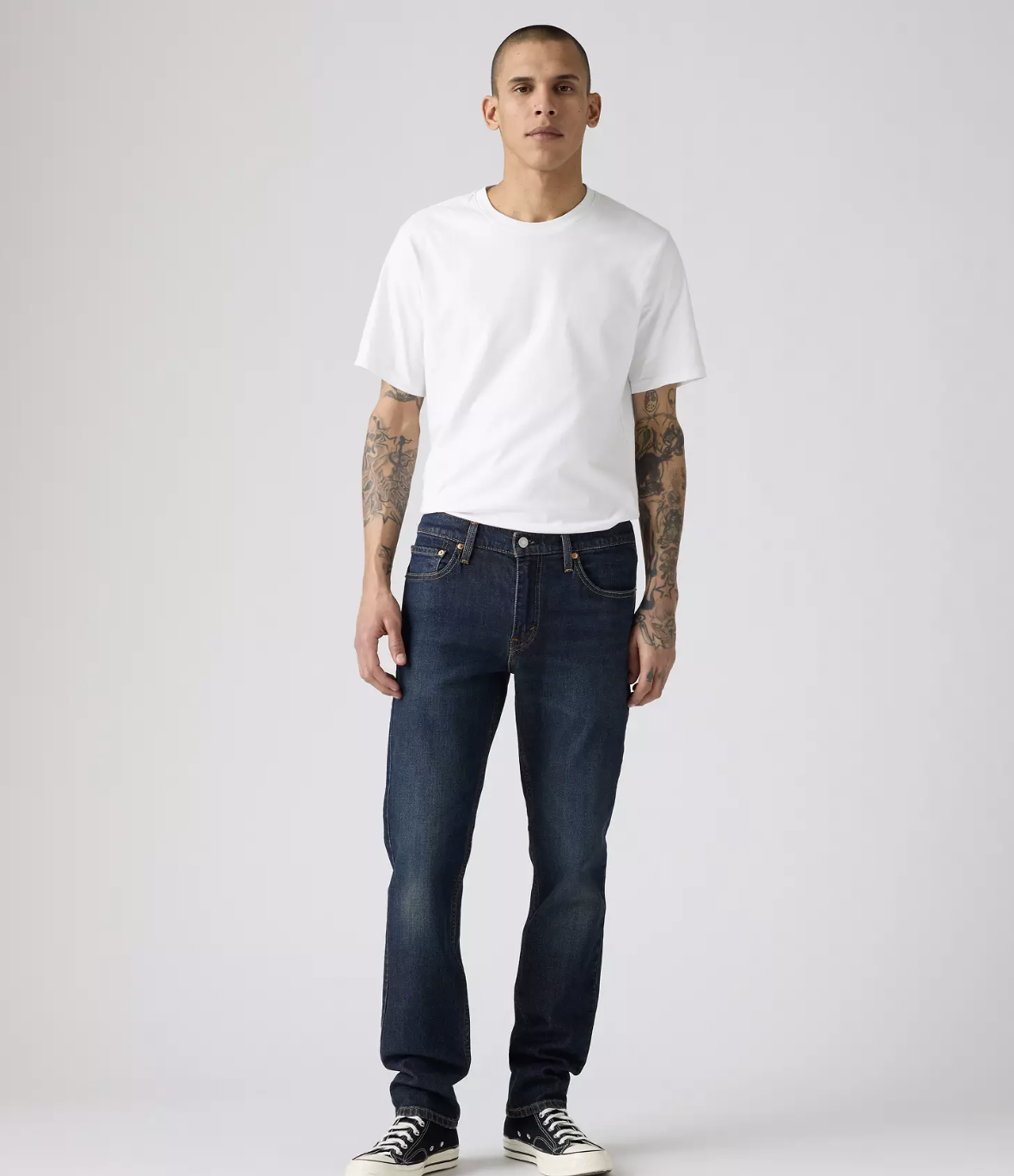
- 501: Balanced straight leg with a stable top block; predictable fit across washes.
- 502: Regular thigh with a controlled taper for a clean modern line.
- 505: At-waist rise and full straight leg for those who need extra ease.
- 511: Slim silhouette without a sharp taper; mild narrowing at the ankle.
- 512: Slim thigh with the narrowest opening in this group.
- 513: Slim top block with a straight leg shape.
- 514: Modern straight fit for those who want less bulk than 505.
Sizing & Shrinkage Notes
- Rigid denim reflects true block shape more accurately than high-stretch denim.
- Most fits in this chart do not have a Shrink-to-Fit variant; 501 STF behaves differently and is not included here.
- Warm-water laundering may reduce inseam and opening slightly in low-stretch or raw options.
Last Thoughts
This comparison chart gives you a structural view of how Levi’s core men’s fits are drafted. It clarifies the differences in rise, thigh allowance, knee width, and leg opening so you can quickly identify which patterns align with your proportions. Treat it as a starting framework.
If you want deeper analysis—fabric behavior, stretch percentages, block variations, and body-type guidance—move into the dedicated fit guides and matchups. Articles like 501 vs 505 vs 511 vs 514 and 511 vs 512 vs 513 break down each model in full detail and show how they behave on the body over time. With both resources together, you can navigate the range with accuracy rather than trial and error.
Disclaimer: This story is auto-aggregated by a computer program and has not been created or edited by menshealthfits.
Publisher: Source link
Publisher: Source link