




ED Pills and Nitrates: Why the Combination Is Dangerous
Oct 22, 2026Fashion & Style
Adidas Just Made a Massive Change to Its Most Iconic Shoe — Here’s Why Fans Are Split
- Dec 13, 2025
- 0 Comments
491
We independently evaluate all recommended products and services. Any products or services put forward appear in no particular order. if you click on links we provide, we may receive compensation.
From football boot to fashion staple
The adidas Samba — born in 1949 and launched around 1950 — was originally designed to give football players traction on icy, hard ground.
Over decades, it evolved from functional soccer footwear into one of adidas’s most iconic and best-selling sneakers, with more than 35 million pairs sold worldwide.
But in recent years, Samba hasn’t stayed a single shoe — it’s become a broad family of variants, with changes in materials, silhouette, and intended use. That expansion has sparked a split among fans: some embrace the evolution, others mourn the loss of the “true” Samba.
What’s changed — and why some sneakerheads are conflicted
Here are the main changes that have stirred debate:
1. Multiple versions — OG, Classic, LT, Vegan, and more
-
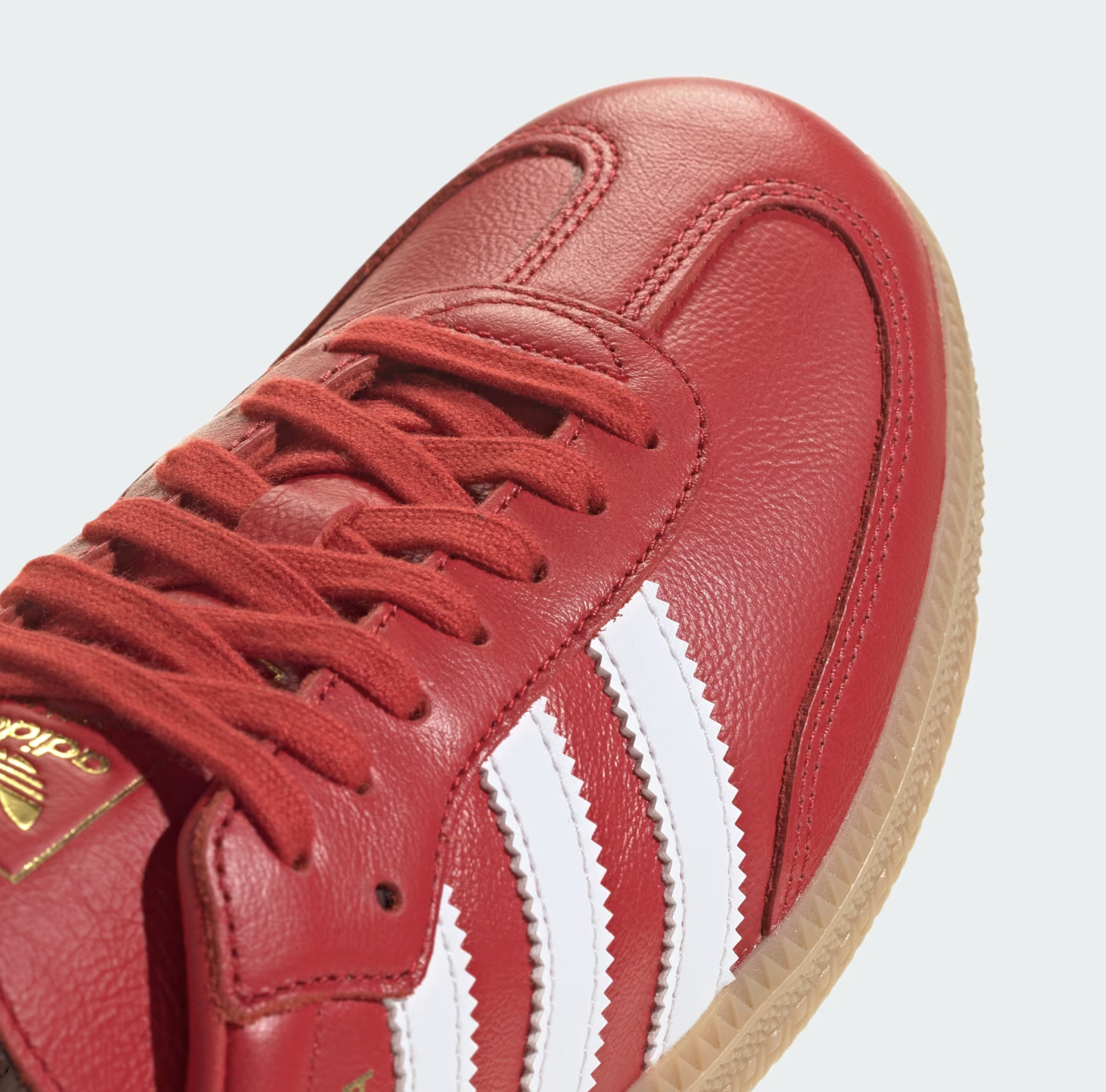
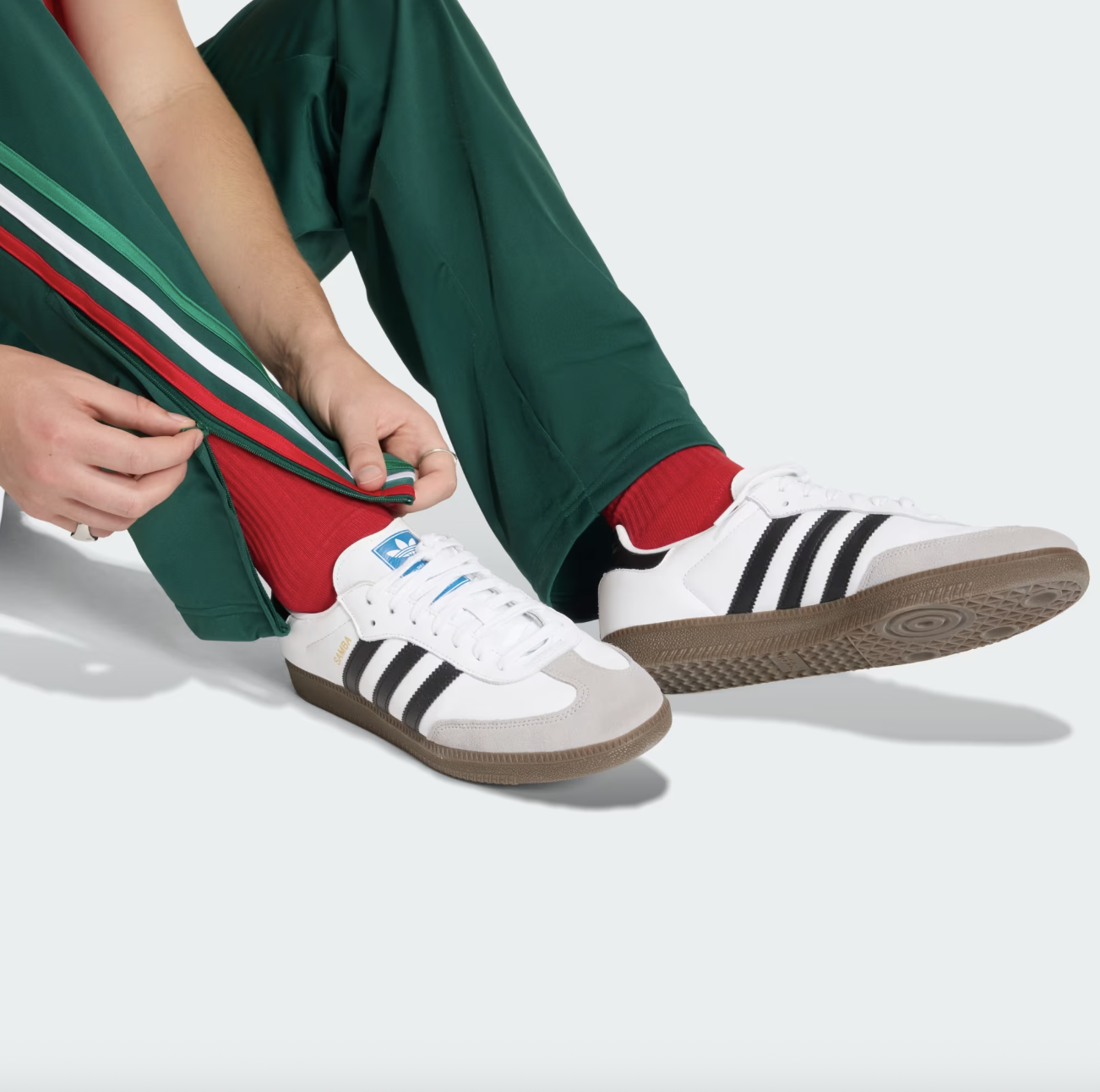
The standard Samba OG remains the closest to the original: leather + suede upper, gum rubber outsole, the signature three-stripe branding.
-
The Samba Classic is positioned as a more utilitarian shoe — originally for indoor soccer — with a longer tongue, often slightly different construction (e.g. more synthetic in some versions), and historically more padding/support, per owners’ discussions.
-
Other variants include vegan-friendly versions, skate/lifestyle-oriented versions, and alternative renditions with different soles or materials.
Because of this variety, “Samba” no longer refers to a single shoe — it’s a range. For new buyers, it can be confusing to know which one they’re getting.
2. Some iterations change the silhouette or feel — comfort vs. heritage tradeoffs
Owners often note that the Classic (or other non-OG Sambas) may offer more support or feel chunkier, but at the expense of the slim, classic profile. As one user on r/adidas put it:
“the Classic is still a soccer shoe… constructed with more durable siding, more padding in the sole… Conversely, the OG is a lifestyle shoe.”
In other words — if you want “the Samba look,” the OG tends to please. If you want practical comfort or durability, Classic or other variants might fit better.
3. Expanded material and style experiments, including collabs and lifestyle reinterpretations
Because Samba has transcended performance use, adidas and collaborators have experimented — with different leathers or synthetics, bold colorways, even eco-conscious materials (e.g. “Vegan” models).
These reinterpretations have helped keep the shoe culturally relevant, modern and fashion-forward. But for purists, they muddy the identity of what a “real” Samba is — especially when material or fit deviates significantly from the original.
4. The shift from sport to lifestyle — and what that means for expectations
Originally built for icy football pitches, then indoor soccer, the Samba has long since shed its purely athletic purpose.
But as it leans more into lifestyle, streetwear, and fashion, the criteria for “success” change. Priorities like comfort, looks, and versatility matter more than pitch performance.
For many buyers — especially newer, fashion-focused consumers — that’s fine. But to longtime fans who valued the Samba’s heritage, that transition feels like losing part of what made the shoe legendary.
Why fans are split — and why that matters
-
For OG lovers / purists: The original Samba profile — slim silhouette, classic gum sole, leather + suede build — feels timeless. Newer variants might offer comfort or style, but they can drift too far from the Samba’s roots.
-
For lifestyle and fashion buyers: The assortment of options (OG, Classic, Vegan, collabs, colorways) means more freedom — you can pick for comfort, price, ethics (vegan), or aesthetic.
-
For sneaker collectors and new buyers: The proliferation can be confusing: Which version fits me? What’s worth paying for? Different models feel different on foot, and some are pricier than classic Sambas.
-
For adidas: Expanding Samba’s range keeps the silhouette relevant. But diluting “Samba identity” too much risks alienating core fans and undermining the heritage of one of their most iconic shoes.
What this means for you if you’re buying Sambas now
If you’re about to buy a pair:
-
Know what you care about: slim, classic heritage (go OG) vs. comfort/utility/style (Classic, Vegan, or other variants).
-
Try them on — some versions run narrower; if your feet are wide, sizing or fit might differ across versions.
-
Don’t assume “Samba” means the same thing it did 20 years ago — check the variant name, materials, and silhouette.
If you wear them:
-
Consider what you want them for — strolling the city, casual wear, skating, or a retro throwback look.
-
Embrace the version that suits your vibe — but appreciate that others may prefer a different flavor of “Samba.”
The bottom line
Adidas didn’t do one “massive change” to the Samba — they turned a single historic sneaker into a full family of variants. That expansion makes the line more versatile and culturally alive — but at the cost of unity.
For some, that means exciting diversity and renewed relevance. For others, it means the loss of a classic.
And that split — that tension between past and present, function and fashion — is real.

The editorial team at FashionBeans is your trusted partner in redefining modern men’s style. Established in 2007, FashionBeans has evolved into a leading authority in men’s fashion, with millions of readers seeking practical advice, expert insights, and real-world inspiration for curating their wardrobe and lifestyle.
Our editorial team combines over 50 years of collective experience in fashion journalism, styling, and retail. Each editor brings specialized expertise—from luxury fashion and sustainable style to the latest grooming technology and fragrance science. With backgrounds ranging from GQ and Esquire to personal styling for celebrities, our team ensures every recommendation comes from a place of deep industry knowledge.
Disclaimer: This story is auto-aggregated by a computer program and has not been created or edited by menshealthfits.
Publisher: Source link
Publisher: Source link